Updated monthly · For research use only
Where to buy BPC-157 + TB-500 blends — compared
Buy directly from vetted research-peptide vendors below. Each product ships from the vendor and is sold strictly for laboratory and research use — not for human consumption. Links are affiliate links, disclosed per FTC guidelines; you pay the same price.
Research use only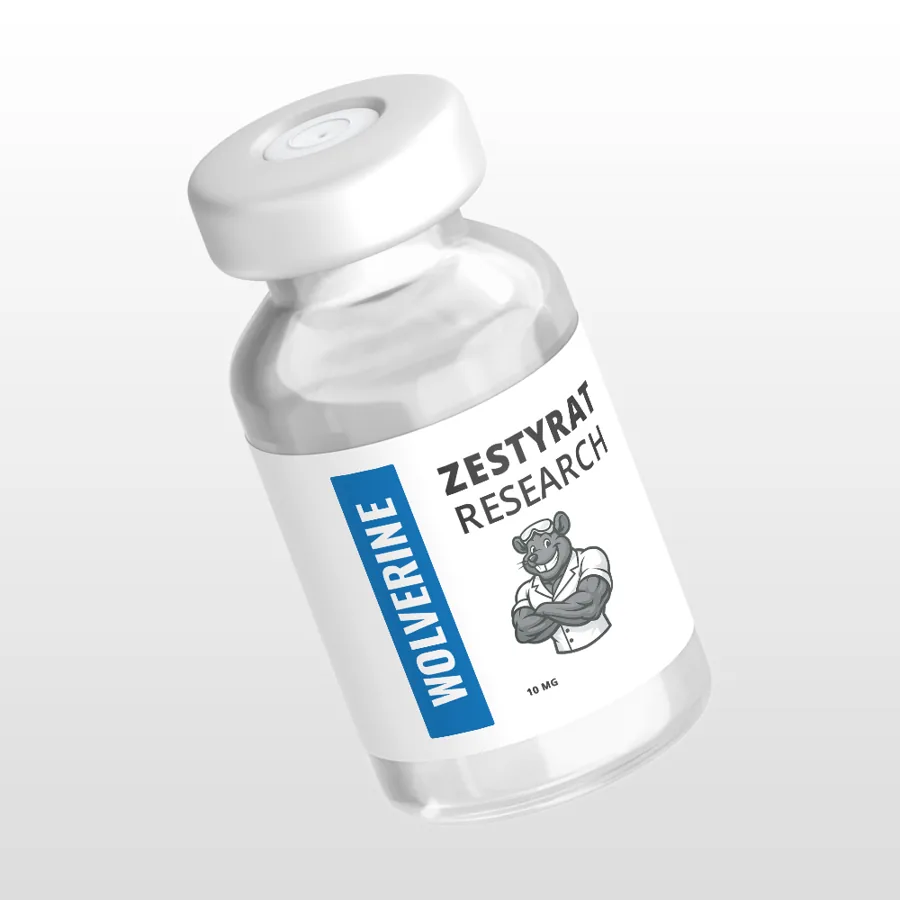
ZestyRat Research
BPC-157 / TB-500 Blend
5/5 mg dual blend
$49.99 starting★ Most purchased
Buy at ZestyRat →
Use code SHAUN10 at checkout — 10% off
Most ordered through this site — every reader order delivered, zero issues reported
Research use only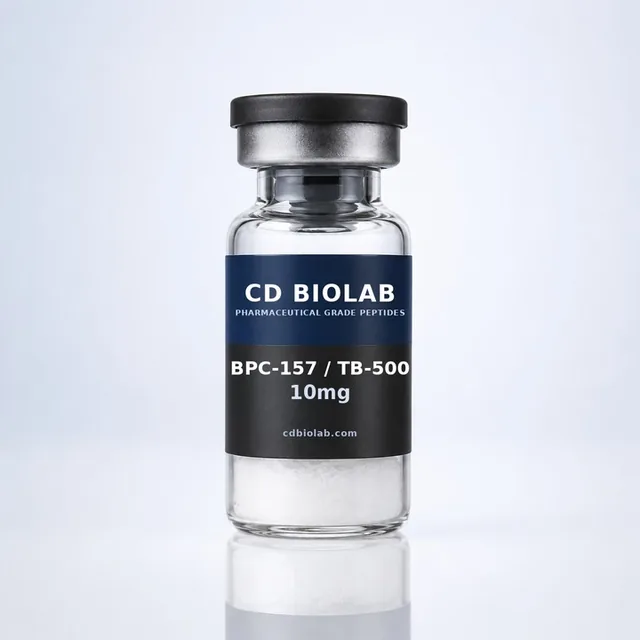
CD Biolab
BPC-157 + TB-500 (Wolverine)
Recovery stack
$79 / vial★ #3 · US lab
Order at CD Biolab →
99%+ HPLC · COA every batch
US lab · fast domestic shipping · real phone/text support
Research use only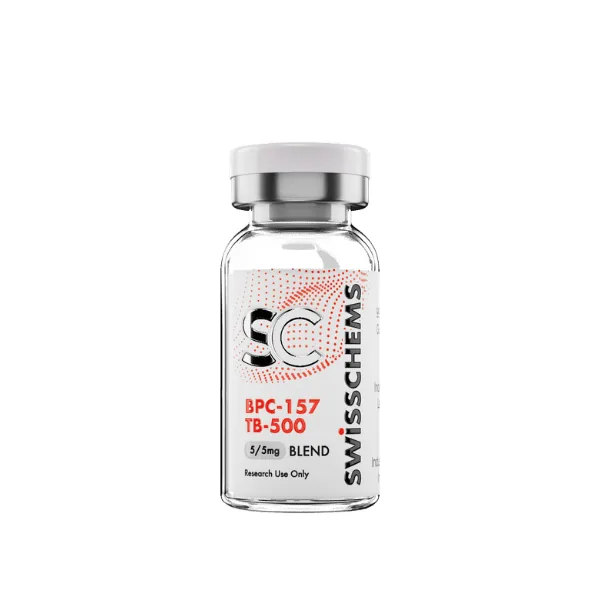
Swiss Chems
BPC-157 + TB-500 (Blend)
Both, pre-blended · 99%+
$119.95 startingSerial-verified vial
Buy at Swiss Chems →
3rd-party HPLC · lab report per batch
Scratch-off serial on the lid · card or ACH checkout · 30-day returns on unopened
Research use only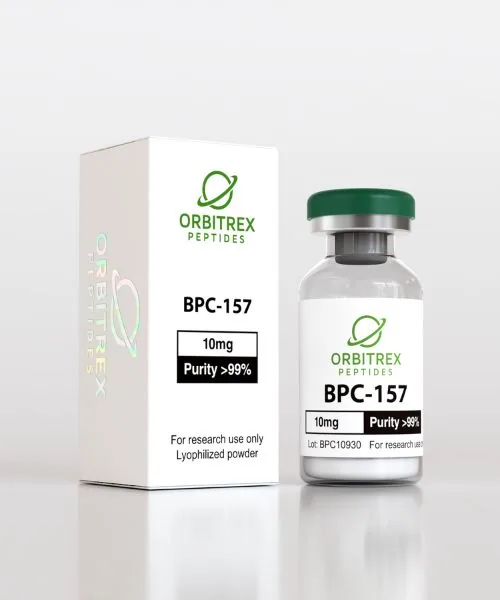
Orbitrex Peptides
BPC-157
Tissue-repair research · ≥99%
$39.99 startingFinnrick A
Buy at Orbitrex →
Use code UNCAGED at checkout — 10% off
Finnrick A · QR-COA every vial · same-day UPS
Research use only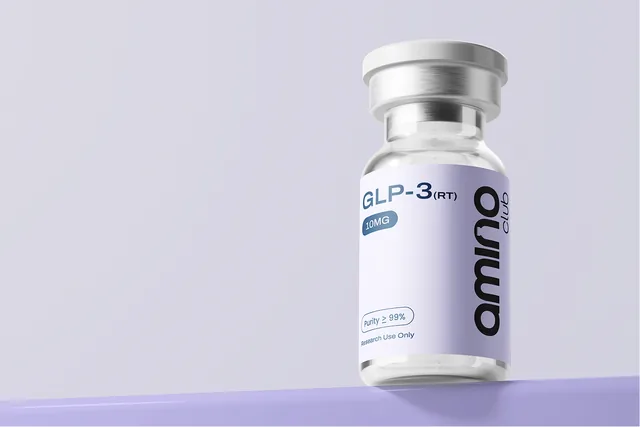
Amino Club
BPC-157
99%+ purity · ISO 17025 COA
$39.99 starting99%+ guaranteed
Buy at Amino Club →
Use code SHAUN22 at checkout
99%+ purity guarantee · ISO 17025 COAs · free ship $150+
Research use only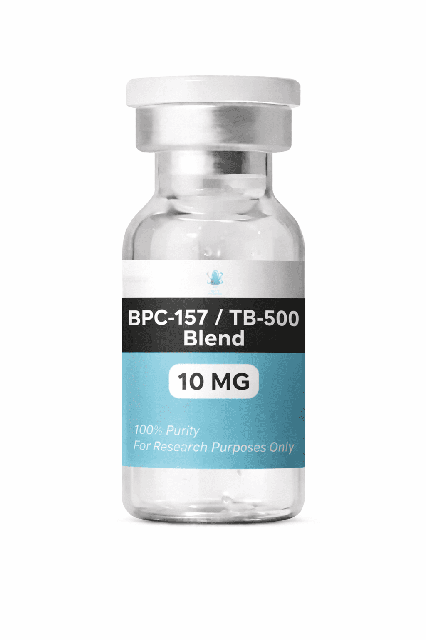
GLP-1 Research Lab
BPC-157 / TB-500 Blend
5/5 mg (10 mg)
$62.50 /10 mgSpecialist
Buy at GLP-1 Lab →
Free FedEx 2-day cold-chain shipping
GLP-1 specialist · 6-pack $50/vial + free bac water
Research use only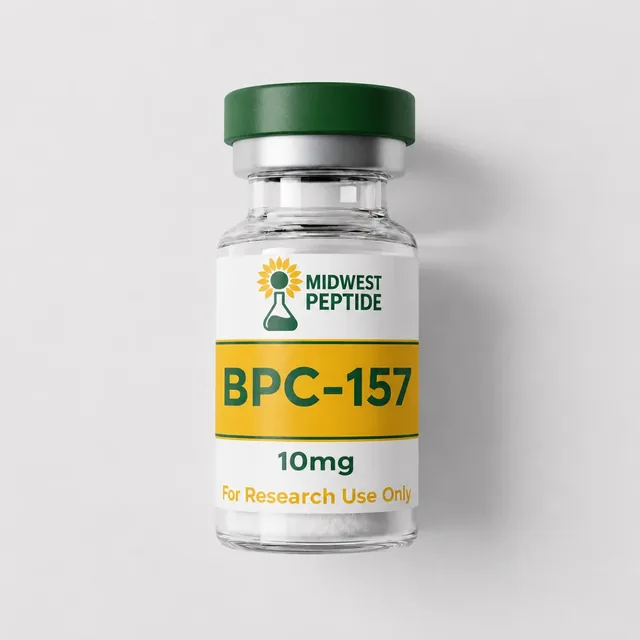
Midwest Peptide
BPC-157 10mg
Repair research
$49.99 startingLab-tested
Buy at Midwest →
Use code UNCAGED · free shipping · 5% off with Zelle
COA every batch · 4.9★ Trustpilot (166 reviews) · free shipping
Research use only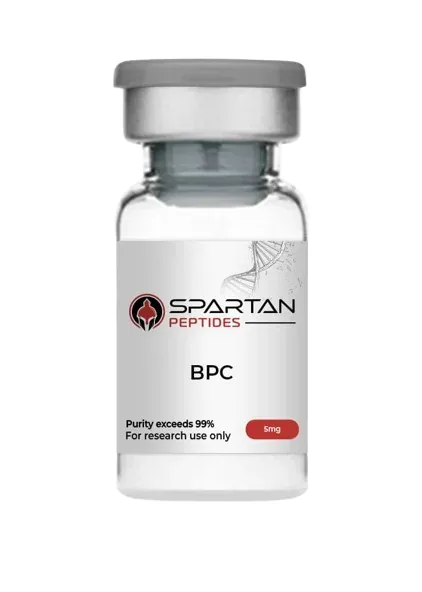
Spartan Peptides
Wolverine (BPC-157 / TB-500)
Combined recovery research
$178.20 startingCOA-forward
Buy at Spartan →
Signed third-party lab COAs · 60-day cookie
HPLC + mass-spec on every product · documentation-forward
Research use only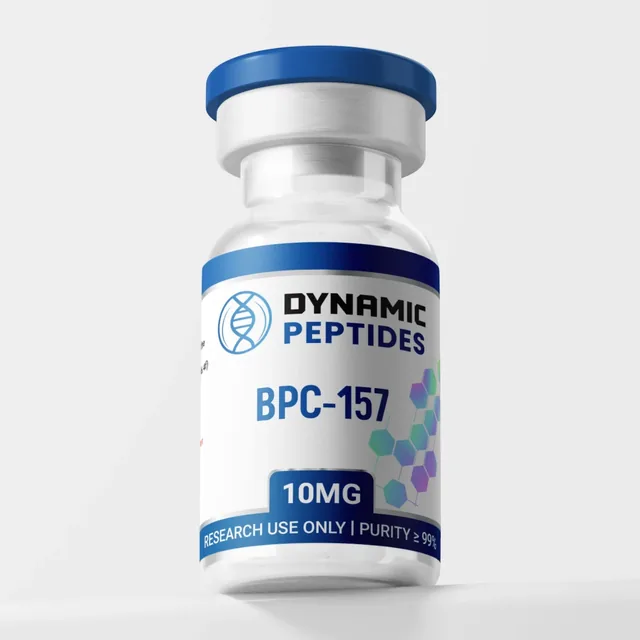
Dynamic Peptides
BPC-157
Tissue-repair · >99%
$39.99 startingGMP/ISO
Buy at Dynamic Peptides →
COA with every product · 30-day cookie
HPLC + MS tested >99% · WHO/GMP + ISO 9001:2015 · 24–48hr US ship
Research use only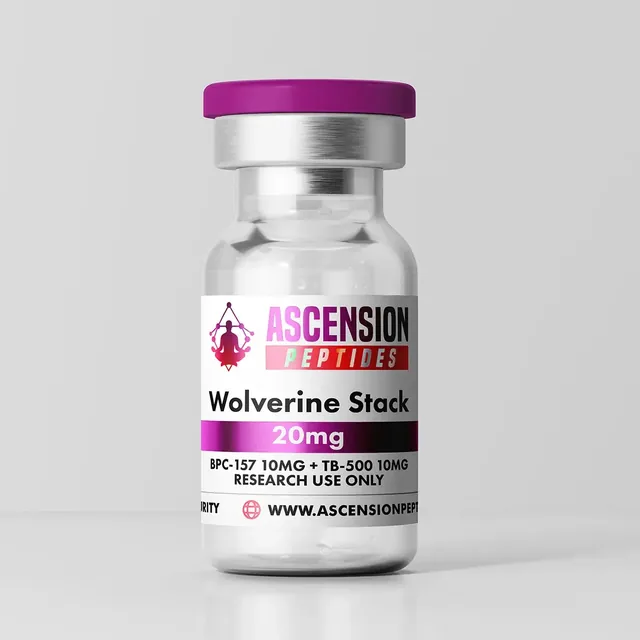
Ascension Peptides
BPC-157 + TB-500
Triple-tested · premium
$35 startingPremium · account required
Buy at Ascension →
Triple-verified purity · public COA library
The trust benchmark — 4.7★, zero contamination reports
| Vendor | From | Purity | 3rd-party COA | Shipping | |
|---|---|---|---|---|---|
| ZestyRat Research★ Most purchased | $49.99 | 99%+ | Independent · on request | US domestic | Buy → |
| Orbitrex PeptidesFinnrick A | $39.99 | ≥99% | ✓ QR-COA every vial | US · same-day | Buy → |
| GLP-1 Research LabSpecialist | $62.50 | ≥98% | ✓ HPLC + MS | US · 1–2 days | Buy → |
| Midwest PeptideLab-tested | $49.99 | 99%+ | ✓ Every batch | US · free | Buy → |
| Amino Club99%+ guaranteed | $39.99 | 99%+ | ✓ ISO 17025 | US · free $150+ | Buy → |
| Dynamic PeptidesGMP/ISO | $39.99 | >99% | ✓ COA every product | US · 24–48hr | Buy → |
| Pinnacle Peptide LabscGMP US | $49.99 | ≥99% | Independent · COA on request | US · next-day | Buy → |
| Ascension PeptidesMost trusted | $35 | 99.4% | ✓ Triple-verified | US · UPS | Buy → |
Prices are starting points and change often. Every outbound buy link is an affiliate link, disclosed per FTC guidelines. Products listed are for laboratory and research purposes only — not for human consumption.